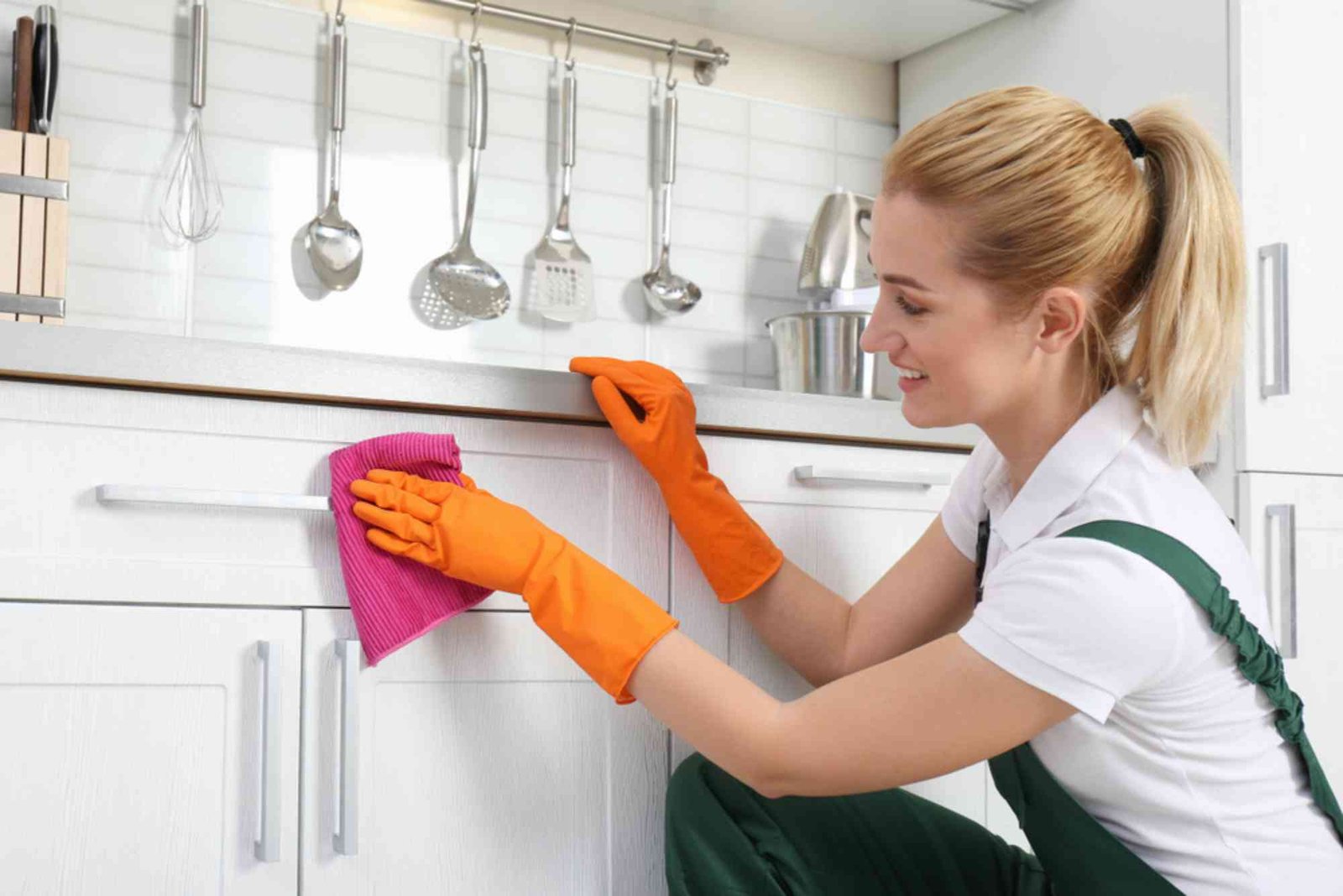
Keeping kitchen cabinets clean can feel like an endless task. Despite daily care, many homeowners unknowingly make mistakes that shorten the life of their cabinets and diminish their kitchen’s overall appearance. From improper cleaning products to neglecting regular maintenance, these errors can lead to stains, warping, or discoloration over time. Understanding and avoiding these mistakes not only preserves the beauty of your kitchen but also enhances hygiene and functionality.
Neglecting Regular Cleaning
One of the most common mistakes in cabinet maintenance is irregular cleaning. Kitchen cabinets accumulate grease, dust, and grime even if they appear clean. Over time, these residues can dull the finish or create stubborn stains. Experts recommend wiping cabinets weekly with a damp cloth and a mild detergent. Ignoring regular cleaning may seem convenient, but it often results in long-term damage that requires costly repairs or refinishing.
Regular cleaning is not just about appearances. Food particles, oils, and moisture can encourage bacterial growth, particularly in wooden cabinets. Maintaining a consistent cleaning schedule helps prevent the buildup of harmful residues while keeping your kitchen looking fresh. For more practical advice, check out our detailed Keep Kitchen Cabinets Tips.
Using Harsh Chemicals
Many homeowners believe stronger cleaning agents yield better results, but harsh chemicals can strip the finish off your cabinets. Ammonia-based cleaners, bleach, or abrasive scrubs may remove grime temporarily but damage surfaces in the long run. Choosing a gentle, non-abrasive cleaner preserves the cabinet’s finish and maintains its durability.
For those with painted or laminated cabinets, the risk is even higher. Aggressive chemicals can cause peeling, chipping, or discoloration. A simple solution involves a mixture of warm water and mild soap. Soft cloths or microfiber towels are ideal for wiping down surfaces without scratching.
Ignoring Moisture Damage
Moisture is a silent threat to kitchen cabinets. Steam from cooking or spills left unattended can seep into wood, causing warping, swelling, or mold growth. Many homeowners underestimate the impact of humidity in the kitchen, especially around sinks or stovetops.

Installing proper ventilation, wiping up spills immediately, and using moisture-resistant finishes can protect cabinets from damage. For cabinets prone to water exposure, applying a protective sealant or varnish adds an extra layer of defense. Ignoring moisture can lead to irreversible damage that affects both aesthetics and structural integrity.
Overloading Cabinets
Kitchen cabinets are designed to hold a specific weight, and exceeding this limit is a frequent mistake. Overloading can strain hinges, warp shelves, and create uneven doors. Heavy pots, appliances, or excessive pantry items may seem harmless, but over time they compromise both functionality and safety.
Reorganizing storage and distributing weight evenly can prevent unnecessary stress on your cabinets. Adjustable shelves also provide flexibility for heavier items without risking damage. For expert tips on managing storage while protecting your cabinets.
Skipping the Hardware Maintenance
Cabinet handles, knobs, and hinges often get overlooked during cleaning routines. While the cabinet surfaces might be spotless, greasy or loose hardware can diminish the overall appearance. Ignoring these details may also reduce the lifespan of your cabinet doors.
Regularly tightening screws and wiping hardware with a gentle cleaner keeps them shiny and functional. For metal finishes, a small amount of oil or specialized polish can prevent corrosion. Ensuring the hardware is maintained improves both usability and aesthetics.
Neglecting Interior Cabinets
Most homeowners focus solely on the cabinet exteriors, forgetting that interiors also require care. Dust, crumbs, and spills inside shelves or drawers can accumulate unnoticed, attracting pests or causing odors. Cleaning interior spaces at least monthly prevents buildup and keeps your kitchen hygienic.
Using liners or mats inside drawers can make cleaning easier while protecting surfaces from scratches or spills. Taking time to address interior maintenance ensures that your cabinets remain pristine inside and out.
Using the Wrong Tools
The choice of cleaning tools impacts cabinet maintenance significantly. Rough sponges, steel wool, or scouring pads may scratch delicate finishes. Microfiber cloths, soft brushes, and gentle sponges are recommended for safe cleaning.
Additionally, avoid excessive water when wiping cabinets. Too much liquid can seep into seams and edges, especially in wooden cabinets, leading to swelling or discoloration. Proper tools combined with gentle techniques ensure long-lasting cleanliness without damage.
Failing to Protect Against Sunlight
Sunlight can subtly damage cabinet surfaces over time. Prolonged exposure can fade paint or stain finishes unevenly. Many kitchens have cabinets near windows, and homeowners may not realize the cumulative effect of UV rays.
Using window treatments, such as blinds or UV-filtering films, helps protect cabinets from sunlight. Rotating or rearranging items on open shelves can also prevent uneven fading. Protecting your cabinets from sun damage preserves their original beauty for years.
Overlooking Professional Help
Sometimes, DIY cleaning isn’t enough, especially for older or delicate cabinets. Professional cleaning and refinishing can restore luster and remove deep-set grime. Many homeowners skip this step to save money, but the long-term benefits of professional maintenance often outweigh the costs.
Professionals have access to specialized tools and solutions that can safely rejuvenate surfaces. Whether it’s a deep clean, polishing, or minor repairs, seeking expert help ensures your cabinets stay in optimal condition.
Keep Your Cabinets Spotless
Avoiding common mistakes in cabinet maintenance is key to a long-lasting, beautiful kitchen. Regular cleaning, gentle products, moisture control, proper organization, and hardware care collectively preserve your investment. Don’t overlook professional services when needed, and always protect your cabinets from sunlight or heavy loads. By implementing these practices, your kitchen cabinets will remain clean, functional, and aesthetically pleasing for years to come.
Ready to elevate your kitchen care routine? Explore more tips on maintaining your cabinets with Keep Kitchen Cabinets Tips or Learn How Keep Kitchen Guide. For further insights, check out this Related read on dhanote.net about Keep Kitchen Cabinets Clean.
FAQ: People Also Ask
How often should I clean my kitchen cabinets?
Experts recommend wiping down cabinet surfaces weekly with a damp cloth and mild soap. Interior shelves should be cleaned monthly.
Can I use vinegar to clean kitchen cabinets?
Yes, a diluted vinegar solution is safe for most cabinet finishes, but avoid excessive use on delicate or wood-stained cabinets to prevent damage.
Why are my kitchen cabinets sticky even after cleaning?
Sticky residue often comes from grease, oils, or harsh cleaners. Use warm water and mild detergent with a soft cloth for effective removal.
How do I prevent water damage to wooden cabinets?
Install ventilation near cooking areas, wipe spills immediately, and apply moisture-resistant finishes or sealants for added protection.
What is the best way to clean cabinet hardware?
Remove dust and grime with a soft cloth. Metal handles can benefit from a small amount of oil or specialized polish to prevent corrosion.