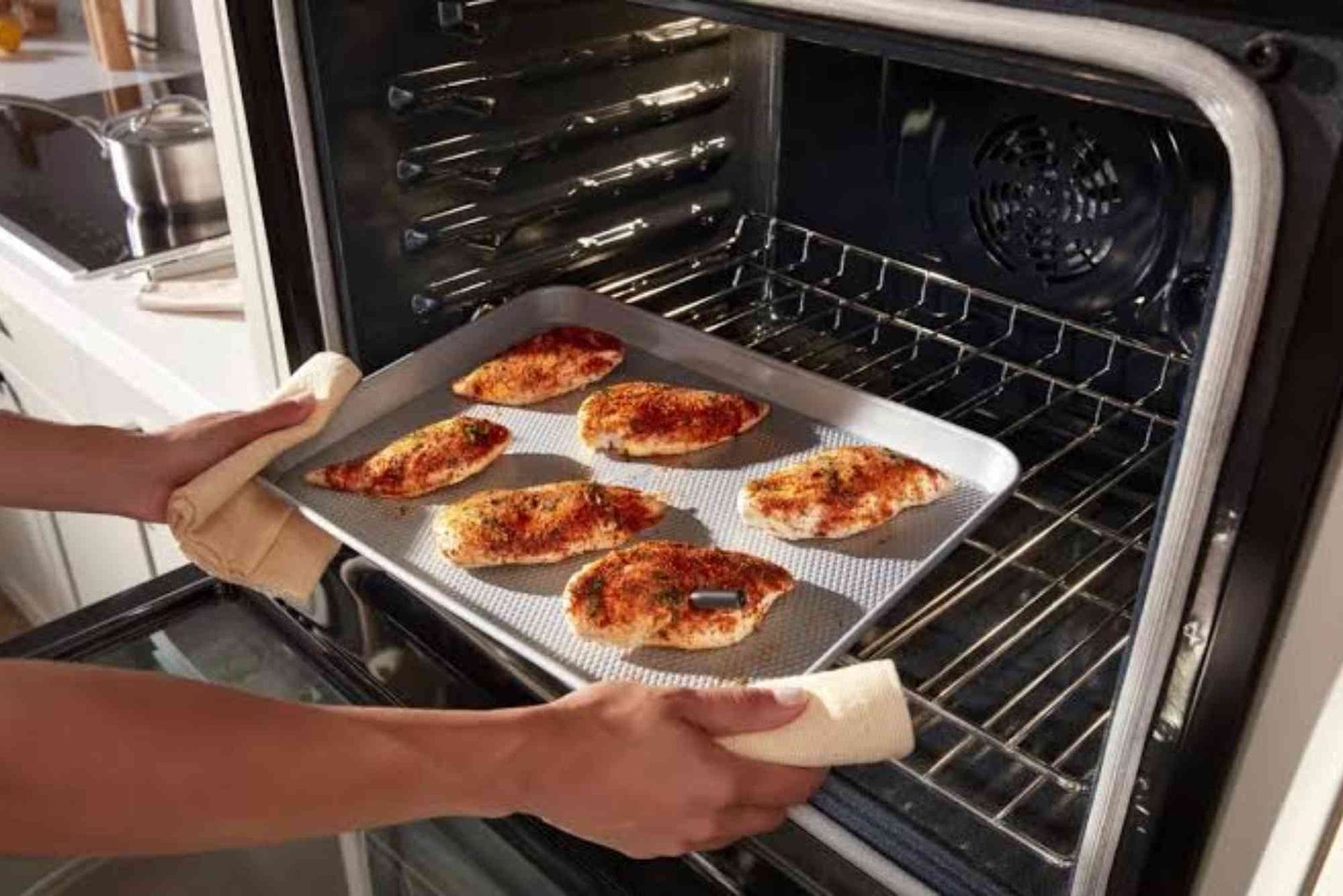
Introduction
If your oven fan continues running after use, you may wonder whether something has gone wrong. In many cases, there is no need to panic. Modern ovens often keep their cooling fans running after cooking ends. This helps remove heat from internal components and protects sensitive electrical parts.
However, a fan that runs for an unusually long time can indicate another issue. A faulty temperature sensor, blocked ventilation, damaged control board, or electrical problem may keep the fan operating. Understanding the difference between normal cooling and a genuine fault can help you avoid unnecessary repairs.
This guide explains why an oven fan continues running after use, how long it should normally operate, what common problems can cause it, and when professional assistance is appropriate.
Why Does an Oven Fan Continue Running After Use?
The most common reason an oven fan continues running after use is heat management. Cooking creates significant heat inside the oven. That heat can also spread toward the control panel, wiring, electronic boards, and surrounding cabinet.
The cooling fan helps move hot air away from these components. Therefore, the fan may continue operating even after the oven has been switched off.
This behavior is particularly common with modern electric and built-in ovens. Their electronic components require controlled temperatures to operate safely. The fan provides additional cooling until the oven reaches a suitable temperature.

In other words, a running fan does not automatically mean your oven is broken.
How Long Should an Oven Cooling Fan Run?
There is no single time that applies to every oven. The running time depends on the model, cooking temperature, room temperature, ventilation, and length of cooking.
After a short cooking session, the fan might stop relatively quickly. After roasting or baking at a high temperature, it can run considerably longer.
The oven may also use a temperature sensor to determine when cooling is sufficient. As a result, the fan can remain active until the internal temperature falls below a predetermined level.
If the fan eventually stops on its own, the behavior is usually normal.
However, the situation deserves attention if the fan runs continuously for an unusually long period. It is also worth investigating if the fan operates when the oven is completely cold.
Oven Fan Continues Running After Use: Common Causes
Several factors can explain why an oven fan continues running after use. Some are completely normal, while others require inspection.
Normal Cooling Cycle
The simplest explanation is the oven’s built-in cooling cycle. The fan protects internal components from excessive residual heat.
This is especially common after high-temperature cooking. The oven may remain warm even when the display indicates that cooking has ended.
Allow the appliance enough time to cool naturally. Avoid switching off its electrical supply immediately unless the manufacturer specifically recommends doing so.
High Cooking Temperature
Higher cooking temperatures naturally produce more residual heat. Therefore, the fan may need additional time to lower the temperature.
For example, baking at a moderate temperature usually creates less heat than prolonged roasting. Consequently, the cooling fan may operate for different periods after each cooking cycle.
This variation is generally not a problem.
Poor Ventilation
Ovens need adequate airflow around their cooling system. If ventilation openings are blocked, hot air cannot escape efficiently.
The fan may then run longer because the oven takes more time to cool.
Check whether objects are covering visible ventilation areas. Also consider whether the appliance has been installed according to the manufacturer’s clearance requirements.
Faulty Temperature Sensor
A temperature sensor monitors heat inside the appliance. If the sensor becomes defective, it may send incorrect information to the control system.
The oven could interpret the temperature as higher than it really is. Consequently, the cooling fan may continue running.
A sensor problem can also cause inaccurate cooking temperatures. If you notice both symptoms, professional diagnosis may be necessary.
Control Board Problems
Modern ovens depend heavily on electronic control boards. These boards coordinate heating, cooling, timers, displays, and other functions.
A malfunctioning control board can sometimes cause the fan to remain active.
Electronic faults are not usually suitable for casual DIY repair. Incorrect handling can create electrical hazards or cause additional damage.
When Is a Running Oven Fan a Problem?
An oven fan continues running after use is not necessarily a fault. The important factor is its behavior.
If the fan eventually stops after the oven cools, there is usually little reason for concern. However, unusual behavior deserves further investigation.
Pay attention if the fan continues running for an exceptionally long time. You should also investigate if it runs when the oven has been cold for several hours.
Unusual sounds can provide another warning. Grinding, rattling, scraping, or buzzing may indicate a damaged fan motor or obstruction.
A burning smell is more serious. If you smell burning insulation or notice smoke, disconnect the appliance safely if possible and arrange professional inspection.
What You Can Check Safely
Before contacting an appliance technician, several basic observations can help identify the situation.
First, allow the oven to cool completely. Then check whether the fan eventually switches off.
Next, inspect accessible ventilation areas for obvious obstructions. Do not remove electrical covers or internal components unless you are qualified to work on appliances.
You can also check the oven’s manual for information about its cooling fan. Manufacturers often explain expected fan behavior and cooling times.
If your model includes a diagnostic system, follow the manufacturer’s instructions rather than guessing at fault codes.
Avoid Turning Off Power Too Quickly
Some homeowners immediately disconnect the oven from the power supply when the fan keeps running. That may stop the noise, but it can interfere with the intended cooling process.
The fan is often designed to protect the appliance after cooking. Stopping it prematurely may leave electronic components exposed to excessive heat.
Therefore, allow the cooling cycle to finish whenever possible.
If the fan never stops, however, the situation is different. At that point, professional troubleshooting can determine whether the appliance has a sensor, control, motor, or wiring problem.
Oven Fan Continues Running After Use: Simple Troubleshooting
If your oven fan continues running after use, start with the simplest explanations.
Let the oven cool naturally and observe whether the fan eventually stops. If it does, the cooling cycle is probably working correctly.
Then check the surrounding ventilation area. Ensure the oven has sufficient airflow and that nearby items are not obstructing ventilation.
Review the owner’s manual as well. Different manufacturers use different cooling strategies.
If the fan remains active while the oven is cold, do not repeatedly restart the appliance to test it. A persistent fault can become worse if the appliance is operated unnecessarily.
Instead, arrange an inspection from a qualified appliance repair professional.
Can a Dirty Oven Cause the Fan to Run Longer?
Heavy grease and food residue can affect airflow inside an oven. However, normal surface dirt is not usually the direct cause of a cooling fan running continuously.
A badly contaminated appliance can still have reduced airflow. Therefore, regular cleaning is useful for maintaining efficient operation.
Always follow the manufacturer’s cleaning instructions. Avoid spraying cleaning products directly onto electrical controls, heating elements, fans, or ventilation openings.
Keeping the oven clean can also make unusual sounds and smells easier to identify.
When Should You Call an Oven Repair Professional?
Professional help is recommended when the fan behaves differently from the manufacturer’s instructions.
Contact a qualified technician if the fan operates continuously while the oven is cold. Professional inspection is also appropriate when the fan makes unusual noises or the oven develops electrical symptoms.
You should seek assistance if the appliance repeatedly trips a circuit breaker. Burning smells, visible smoke, damaged wiring, or overheating should also be treated seriously.
A technician can test the temperature sensor, fan motor, wiring, thermostat, and electronic controls. This approach is safer than replacing random components.
Correct diagnosis can also prevent unnecessary repair costs.
Preventing Future Oven Cooling Problems
Good maintenance can reduce the likelihood of cooling problems. Keep ventilation areas clear and avoid covering appliance vents.
Use the oven according to its manufacturer’s instructions. Avoid installing cookware or accessories that restrict airflow.
Regularly inspect the appliance for unusual sounds and smells. Early warning signs can help identify problems before they become expensive.
It is also useful to keep the oven’s model and serial information available. This information can help a technician identify the correct components and service procedures.
For additional information, you can Oven Fan Continues and learn more about common cooling-fan behavior.
Learn How Oven Fan Cooling Systems Work
Understanding how the cooling system works makes troubleshooting easier. The fan is not simply designed to cool the cooking compartment.
Its primary purpose can include protecting electronics and surrounding components from excessive heat. Depending on the design, the fan may move air through specific channels around the oven.
Therefore, hearing the fan after cooking is often expected.
If you want more practical information, Learn How Oven Fan systems operate and why their cooling cycles vary between appliances.
For general background information about ovens and related technology, you can also explore Oven Fan Continues Running resources at en.wikipedia.org.
Frequently Asked Questions
Why does my oven fan keep running after I turn it off?
The fan usually continues running to remove residual heat. It helps protect electronic components and surrounding parts from excessive temperatures.
How long should an oven fan stay on after cooking?
The duration varies by model and cooking conditions. High-temperature cooking can require a longer cooling period.
Is it normal for an oven cooling fan to run constantly?
It can be normal immediately after cooking. However, constant operation while the oven is completely cold may indicate a fault.
Why does my oven fan run when the oven is not being used?
A faulty temperature sensor or control system can sometimes cause this behavior. Check the manufacturer’s troubleshooting information before arranging professional service.
Should I turn off the oven at the wall while the fan is running?
Usually, you should allow the cooling cycle to finish. Follow the manufacturer’s instructions for your specific oven.
Can an oven fan running continuously cause damage?
If the fan itself is operating normally, continued cooling is generally not harmful. A fan that never stops may indicate an underlying electrical or control problem.
Conclusion: Understanding an Oven Fan That Keeps Running
An oven fan continues running after use for several possible reasons. In many cases, it is simply completing its normal cooling cycle.
The fan helps remove residual heat and protects important components. Therefore, hearing it after cooking should not immediately cause concern.
Finding reliable businesses and useful local services is easier when information is organised in one convenient place. BussinessFinder.com helps users discover businesses, explore different service categories, and find relevant options for their needs.
Related Reading: Repair Washing Machine Drain Pump Failure Explained: What You Need to Know
Related Reading: Vancouvers Most Trusted Rug Cleaning Service Explained: What You Need to Know