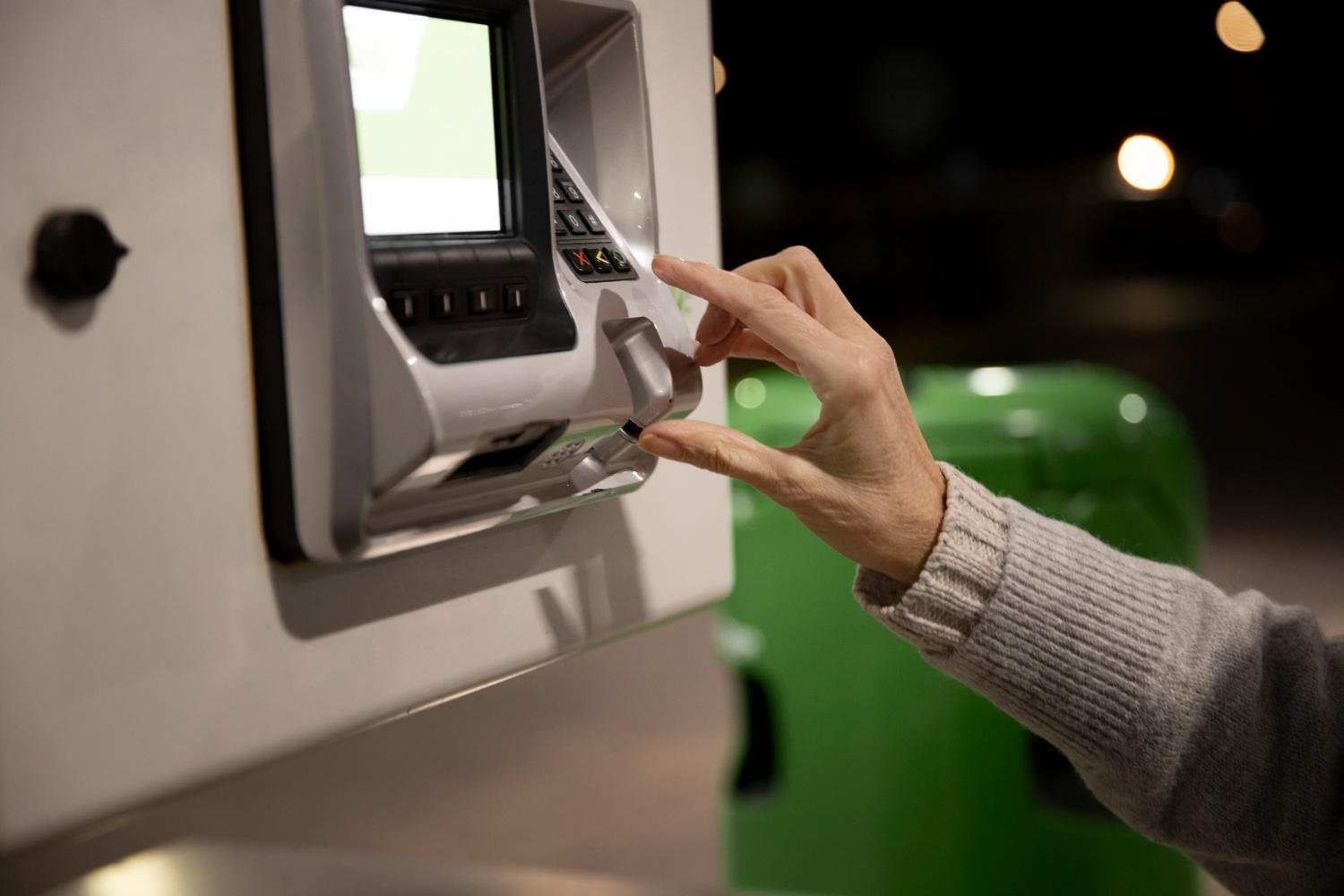
Installing an automated teller machine involves much more than placing equipment at a convenient location and connecting it to a power supply. A properly planned setup needs suitable infrastructure, secure physical placement, reliable network connectivity, accessibility features, transaction testing, and an appropriate maintenance plan. These factors can influence the machine’s reliability and the experience of customers who use it.
For banks, financial institutions, and authorized ATM operators, ATM installation is an important stage in establishing a functional cash-access point. The process should account for both technical and practical requirements, including site preparation, equipment security, electrical connections, communication systems, and ongoing support.
What Is Involved in ATM Installation?
ATM installation refers to the process of preparing a location and setting up an ATM so that it can operate safely and communicate with the relevant transaction-processing infrastructure.
The installation process can involve:
- Inspecting the proposed site
- Preparing the floor, wall, or mounting structure
- Establishing electrical connections
- Installing network connectivity
- Securing the ATM physically
- Configuring software and peripherals
- Connecting the machine to the appropriate processing environment
- Testing transaction functions
- Checking accessibility and customer safety
- Establishing maintenance and monitoring procedures
The exact process varies according to the ATM model, site conditions, operating organization, and applicable regulations.
In India, ATMs operated by non-bank entities are known as White Label ATMs, and such operators require authorization from the Reserve Bank of India under the Payment and Settlement Systems Act, 2007.

How Should an ATM Location Be Selected?
Location selection should take place before any physical installation work begins. A suitable site needs to balance customer demand with safety, accessibility, infrastructure, and operational considerations.
Businesses and operators can assess factors such as:
- Customer foot traffic
- Visibility
- Nearby commercial activity
- Existing ATM availability
- Lighting conditions
- Electrical reliability
- Network connectivity
- CCTV coverage
- Space around the machine
- Protection from weather
- Accessibility for people with disabilities
A location with substantial foot traffic may appear attractive, but it is not necessarily appropriate if the site cannot provide sufficient security or customer access.
Privacy is another consideration. Customers should have adequate space to enter PINs and conduct transactions without unnecessary observation or interference.
What Physical Preparation Does an ATM Need?
Before ATM installation, the proposed location should be inspected for structural and electrical suitability. Depending on the ATM design, the equipment may need to be anchored securely to a floor, wall, pillar, or another suitable structure.
The Reserve Bank of India has prescribed ATM security measures that include securing ATMs to structures such as walls, pillars, or floors, with specified exceptions for highly secured premises.
The installation area should also provide sufficient room for technicians to access the machine when maintenance is required. Exposed wiring, obstructed entrances, unstable mounting surfaces, or inadequate customer space can create operational and safety problems.
Power requirements should be evaluated in advance. Depending on the site’s electrical conditions, appropriate power-protection equipment may also be necessary to support reliable operation.
Why Is Network Connectivity Important?
An ATM needs communication with the relevant transaction-processing infrastructure to authorize transactions and provide customers with banking services.
During installation, the network connection should be configured and tested. A machine may have suitable hardware and sufficient cash but still be unable to process transactions if its communication link is unavailable.
Connectivity planning should consider the reliability of the primary connection and any available backup arrangements. Network equipment should also be protected and positioned appropriately so that it does not become an easy target for accidental damage or unauthorized access.
Testing should confirm that the ATM can communicate successfully with the required processing systems before it is made available to customers.
What Security Measures Should Be Considered?
Security is a fundamental part of ATM installation because an ATM contains cash and handles sensitive financial transactions.
Physical security can involve secure anchoring, appropriate locks, surveillance, lighting, controlled access, and suitable placement. RBI security measures have included digital one-time combination locks for ATM cash replenishment and physical grouting of ATMs to suitable structures.
Technical security is equally important. RBI directions for regulated entities include controls such as BIOS passwords, disabling unnecessary USB ports and auto-run facilities, applying current software patches, using terminal security solutions, implementing anti-skimming measures, and using supported operating systems.
These considerations show why security should be incorporated into the installation plan rather than addressed only after the machine becomes operational.
How Important Is Accessibility?
Accessibility should be considered during site preparation and not treated as a separate issue after installation.
The Accessibility Standards and Guidelines for the Banking Sector include provisions for bank ATMs such as level entrances with ramps and handrails, wheelchair landing space, tactile ground indicators, doors at least 900 mm wide, and sufficient maneuvering space for wheelchair users. The guidelines also address non-slip flooring and the visibility of the ATM screen and keyboard.
RBI guidance has also addressed ramps for ATM access and the provision of talking ATMs with Braille keypads for visually impaired customers.
Accessibility should therefore influence the layout, entrance, positioning, and equipment selection from the beginning.
What Happens During ATM Testing?
After the physical and technical setup is complete, the ATM should undergo testing before being placed into regular operation.
Testing can cover:
- Machine startup
- Network connectivity
- Card-reader operation
- PIN keypad functionality
- Cash dispensing
- Receipt printing
- Screen operation
- Audio functions
- Software configuration
- Transaction authorization
- Error handling
- Security systems
- CCTV visibility
- Customer accessibility
A real-world ATM installation specification published by Punjab & Sind Bank illustrates how installation can include physical grouting, UPS and earthing, networking, integration with the bank’s ATM switch, testing, user acceptance testing, staff training, and preventive maintenance.
This demonstrates that commissioning an ATM can involve several stages beyond simply positioning the equipment.
What Role Does Maintenance Play?
Installation is only the beginning of an ATM’s operational lifecycle. Once a machine becomes active, it needs regular monitoring, preventive maintenance, repairs, software updates, and cash management.
A maintenance program can help identify problems with components such as:
- Cash dispensers
- Card readers
- Receipt printers
- Keypads
- Displays
- Network equipment
- Power systems
- Security components
Regular inspections can also identify physical damage or signs of tampering.
RBI directions emphasize maintaining appropriate ATM security controls, including supported operating systems, anti-skimming measures, software patches, and other technical safeguards.
Preventive maintenance can therefore help operators address issues before they result in prolonged service interruptions.
How Does Cash Management Affect ATM Operations?
Cash availability is essential for an operational ATM. A technically functioning machine cannot complete cash withdrawals if its currency cassettes are empty.
Operators need procedures for monitoring cash levels, forecasting demand, arranging replenishment, and reconciling the cash dispensed against electronic transaction records.
RBI guidance has addressed mechanisms for monitoring ATM cash levels and ensuring timely replenishment to reduce cash-outs.
Cash replenishment also requires appropriate security procedures. RBI measures have addressed the use of digital one-time combination locks and other controls designed to reduce risks associated with cash handling.
How Should Operators Choose an ATM Service Provider?
An ATM service provider can support some or all of the technical and operational requirements associated with an ATM network. Depending on the arrangement, services may include installation, maintenance, monitoring, troubleshooting, network support, cash management, and equipment servicing.
Before selecting a provider, operators should establish which responsibilities will remain in-house and which will be outsourced.
Important questions can include:
- What installation services are included?
- Who handles network configuration?
- How is preventive maintenance scheduled?
- What technical support is available?
- How quickly are faults addressed?
- Who manages software updates?
- How are security incidents handled?
- Who is responsible for cash replenishment?
- What monitoring and reporting capabilities are provided?
- What are the service-level expectations?
A clear division of responsibilities can help prevent operational gaps after installation.
What Should Be Checked Before Going Live?
Before an ATM is opened for customer use, operators should complete a final commissioning checklist. The machine should be securely mounted, powered correctly, connected to the required network, configured with appropriate software, and tested for transaction functionality.
The surrounding area should also be inspected for lighting, accessibility, privacy, CCTV coverage, and customer safety.
Staff or custodians responsible for the ATM should understand basic operating procedures, cash replenishment processes, troubleshooting, and escalation procedures. Training is particularly useful because the first response to an ATM problem can affect how quickly service is restored.
Conclusion
Successful ATM installation requires coordination between site preparation, physical security, electrical infrastructure, network connectivity, accessibility, transaction processing, testing, and ongoing maintenance. Treating installation as a complete operational process can help identify potential problems before the ATM begins serving customers. An ATM service provider can help coordinate technical installation, maintenance, monitoring, and other operational requirements, depending on the service arrangement. A well-planned installation combined with appropriate ongoing support can help maintain reliable ATM availability and reduce avoidable operational disruptions.
Related Reading: Drywall Installation in Austin, TX
Related Reading: Surface Preparation in Mt. Carmel IL — full guide