Introduction
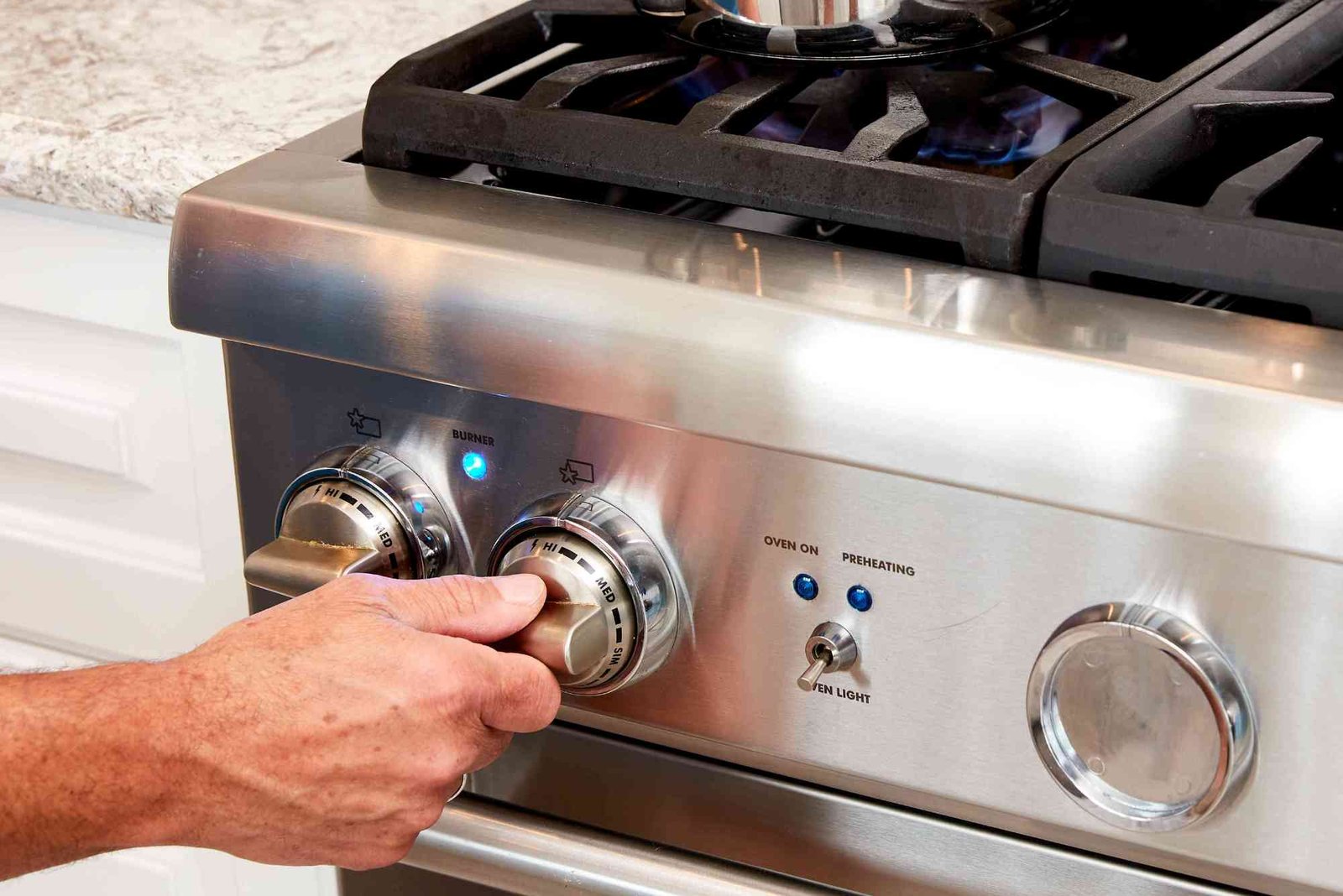
Gas stoves are a kitchen essential, but nothing is more frustrating than when your burner refuses to stay lit. Whether you’re preparing a quick meal or slow-cooking a feast, a flame that keeps going out can disrupt your routine. Understanding why your gas stoves won’t stay lit and addressing the problem step by step ensures safe and efficient cooking every time.
Understanding Why Gas Stoves Won’t Stay Lit
A stove that won’t stay lit can stem from multiple causes. Recognizing these early helps prevent accidents and keeps your cooking consistent. Most issues fall into three main categories: gas flow problems, ignition malfunctions, and safety sensor issues.
Gas Flow Problems
One of the most common reasons your stove fails to stay lit is an interruption in gas flow. Clogged burners, debris, or low gas pressure can all prevent a steady flame. Ensuring proper airflow and checking for gas leaks is critical before attempting any repair.
Ignition Malfunctions
Modern gas stoves rely on electric igniters. If the igniter is dirty, misaligned, or failing, it may spark inconsistently, causing the flame to go out. Cleaning the igniter or replacing faulty components often resolves this issue.
Safety Sensor Issues
Most gas stoves have thermocouples or flame sensors that automatically cut off the gas if the flame goes out. While this feature prevents accidents, a worn or dirty sensor can mistakenly shut off the flame, giving the impression that your stove won’t stay lit.
Solutions for Gas Stoves Won’t Stay Lit
Addressing a stove that won’t stay lit requires systematic troubleshooting. Following these steps ensures safety and restores proper function.

Ensure Safety First
Before touching any stove parts, turn off the gas supply and disconnect the appliance from the power source. Use a well-ventilated space and avoid open flames during inspection. Safety is always the top priority.
Clean the Burner
Remove the burner cap and carefully clean the ports with a soft brush. Remove any grease, food residue, or dust that could block the gas flow. A clean burner often solves flame issues without replacing parts.
Inspect the Igniter
Check the igniter for cracks or corrosion. If it appears damaged, replace it with a compatible component. Ensure it is properly aligned to create a consistent spark when turned on.
Check the Thermocouple or Flame Sensor
The thermocouple senses the flame and regulates gas flow. Wipe it gently with a soft cloth to remove debris. If cleaning doesn’t work, a replacement may be necessary. A functioning sensor is critical for continuous operation.
Confirm Gas Pressure
Low or inconsistent gas pressure can prevent your stove from staying lit. If you suspect pressure issues, contact your gas provider. Never attempt to adjust gas lines yourself unless certified.
Reassemble and Test
After cleaning and inspection, reassemble the burner, reconnect the gas supply, and test the stove. Light each burner and observe the flame for stability. If it still goes out, deeper mechanical or electrical issues may be present.
Call a Professional if Needed
If your stove continues to malfunction despite these steps, it may require professional repair. Licensed technicians can safely diagnose and replace faulty valves, sensors, or ignition components.
Maintenance Tips to Prevent Future Issues
Preventing future problems keeps your stove reliable and reduces repair costs. Regular cleaning, checking sensors, and keeping burners free of debris ensures optimal performance.
Regular Burner Cleaning
Monthly cleaning removes grease buildup and prevents blocked gas flow. Use a soft brush and mild soap for safety.
Sensor Inspection
Check thermocouples and flame sensors every few months. Clean and realign them to maintain proper function.
Avoid Spills and Residue
Wipe spills immediately and avoid letting food debris accumulate. This simple habit reduces ignition problems and prolongs stove life.
Periodic Professional Service
Even with proper care, professional inspection once a year ensures all gas connections, valves, and electrical components are safe and functional.
FAQs
Why does my gas stove keep going out?
Most often, it’s due to clogged burners, a faulty igniter, or a dirty thermocouple. Cleaning and inspection usually fix the issue.
Can I fix a gas stove that won’t stay lit myself?
Yes, for minor issues like cleaning burners or sensors. For gas line or electrical problems, always call a licensed professional.
How do I know if my thermocouple is bad?
A worn thermocouple may fail to detect the flame. If your stove lights but goes out immediately, it likely needs replacement.
Is it safe to cook with a stove that won’t stay lit?
No, repeated flame outages can be dangerous. Gas Stoves Wont Stay resources at en.wikipedia.org Address the problem immediately and avoid using the stove until fixed.
Where can I learn more about gas stove issues?
You can access Gas Stoves Won’t Stay resources at en.wikipedia.org for detailed technical guidance.
A gas stove that won’t stay lit can disrupt your cooking and pose safety risks. By systematically cleaning burners, inspecting igniters and sensors, and monitoring gas flow, you can restore reliable performance. For persistent issues, professional repair ensures safety and efficiency.
Take control of your kitchen today and keep your stove functioning at its best. Learn How Gas Stoves or explore practical Gas Stoves Wont solutions to keep every flame burning strong.