
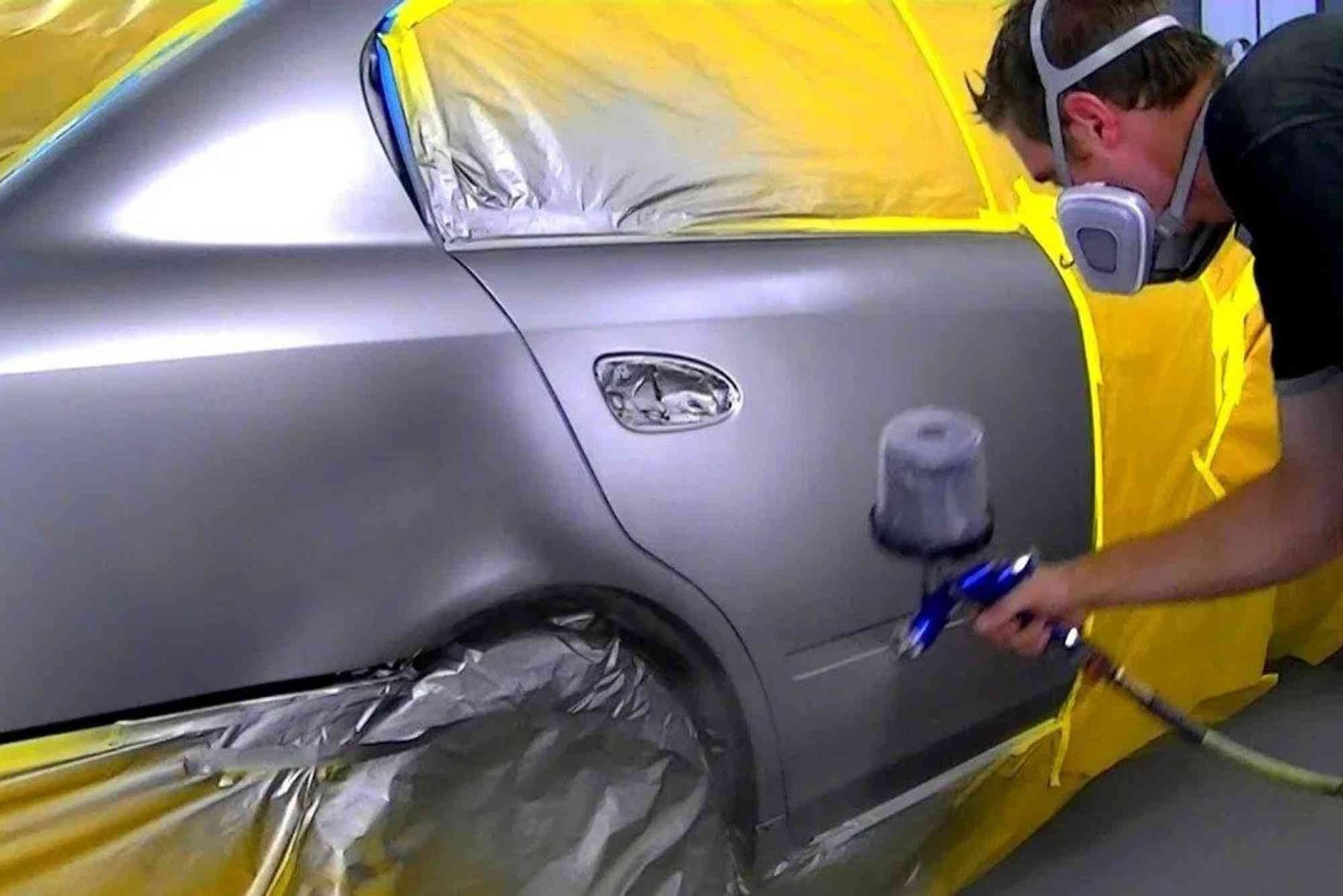
Changing the color of your car is one of the most exciting ways to refresh its appearance and make it truly your own. Whether you’re aiming for a sleek matte black, a shiny red, or a bold custom shade, understanding how to change car color properly can save you time, money, and effort. This guide explores everything you need to know—from preparation and painting techniques to legal and maintenance considerations—so you can confidently start your transformation.
Why Changing Your Car’s Color Matters
A vehicle’s color is more than just aesthetic; it reflects personality, lifestyle, and sometimes even financial value. Many car owners decide to repaint for various reasons—restoration, damage repair, resale value, or personal preference. Regardless of the motivation, knowing how to change car color correctly ensures a smooth and durable result. A well-executed color change can even make an older vehicle look brand new, boosting confidence every time you hit the road.
Understanding the Methods of Changing Car Color
Traditional Paint Job
The classic approach to changing your car’s color is through a professional paint job. This method provides a lasting, factory-like finish that can dramatically enhance the car’s appearance. Professional painters strip the existing paint, repair any body imperfections, and apply new layers of primer, color, and clear coat. While this method delivers superior quality, it’s also the most expensive. However, for those who value longevity and a flawless finish, it remains the gold standard.
Vinyl Wrapping
If you’re looking for a faster and more flexible option, vinyl wrapping offers a modern alternative. This involves covering the car with a thin, adhesive vinyl film available in hundreds of colors and textures. Vinyl wraps are popular because they’re reversible—you can remove them anytime without damaging the original paint. This makes them ideal for temporary color changes or unique styles like matte, chrome, or carbon fiber finishes.
Plasti Dip and Peelable Paints
For DIY enthusiasts, peelable coatings such as Plasti Dip provide an affordable way to experiment. These rubber-based sprays can change your car’s color temporarily and can be peeled off later. While not as durable as paint or vinyl, they’re a fun, low-risk option for trying new looks.
Legal Considerations When Changing Car Color
Before you start your project, it’s crucial to understand the legal side of how to change car color. In most regions, once you change your vehicle’s exterior color, you must report it to the Department of Motor Vehicles (DMV) or relevant local authority. Failing to do so can result in fines or complications when selling or insuring your car.
Insurance companies also need to be notified. Some insurers adjust premiums based on the car’s color due to visibility and theft risk. Always keep receipts or documentation for the color change, especially if you use a professional service.
Steps to Prepare for a Car Color Change
Proper preparation ensures your new color lasts longer and looks professional. Start by thoroughly cleaning your vehicle. Remove dirt, wax, and old residues. Sanding the car’s surface is also vital if you’re painting—it helps the new paint adhere better. If using vinyl wrap, make sure the surface is completely smooth and dry to avoid bubbles or peeling later.
It’s also essential to choose a safe, ventilated area to work in. Dust, moisture, and poor lighting can all affect the final result. Whether you’re doing it yourself or hiring an expert, preparation is half the job done.
Choosing the Right Color
Selecting the perfect color for your car can be both exciting and overwhelming. Think about factors like maintenance, heat absorption, and resale value. Dark colors may look sleek but show scratches more easily, while lighter shades are easier to maintain but may appear less bold. Always check how the color looks under natural light before finalizing your decision.
If you’re considering resale in the future, neutral colors like white, silver, and gray tend to have higher market appeal. For those seeking individuality, custom shades or two-tone finishes can make your car stand out without losing sophistication.
Professional vs. DIY: Which Is Better?
Changing a car’s color can be a do-it-yourself project, but professional work often ensures quality and durability. A professional painter or wrapper has the tools, materials, and environment needed for a flawless result. However, if you’re experienced in handling spray tools or vinyl films, a DIY approach can save costs and give you a sense of accomplishment.
For beginners, starting with smaller panels or accessories is wise before tackling the entire car. Practice helps refine your technique, and online tutorials can guide you through each step.
Maintenance Tips After Changing Your Car Color
Once your car has a fresh color, maintenance becomes crucial to preserve its shine and quality. Avoid automatic car washes with harsh brushes during the first few weeks. Instead, use gentle hand washing techniques with microfiber cloths and pH-balanced car shampoos. Regular waxing or ceramic coating can also protect the new finish from UV rays and environmental damage.
If you opted for vinyl wrap, avoid high-pressure water or abrasive chemicals that might lift the edges. Store your car in a shaded or covered area whenever possible to prevent fading.
How Much Does It Cost to Change Car Color?
The cost depends on several factors such as the method, vehicle size, and desired finish. A professional paint job typically ranges from $1,000 to $5,000, while high-end custom finishes can exceed $10,000. Vinyl wraps are usually more affordable, costing between $1,500 and $3,000. DIY methods like Plasti Dip are the cheapest, with total costs often under $500.
Although price matters, remember that quality and durability are equally important. Choosing a reliable professional or premium materials ensures your investment lasts longer and looks better.
Mistakes to Avoid When Changing Car Color
Many people rush the process and end up dissatisfied with the results. Common mistakes include poor surface preparation, choosing low-quality materials, or skipping protective coatings. Always ensure the car’s body is clean and repaired before painting or wrapping. If you’re unsure about any step, consulting a professional can save both time and money in the long run.
Another frequent error is neglecting the door jambs, engine bay, and other hidden areas. These spots are visible when doors or the hood are open, so leaving them the old color can look unprofessional.
How Long Does It Take to Change a Car’s Color?
The duration depends on the method you choose. A professional paint job can take up to two weeks due to preparation, drying, and curing time. Vinyl wrapping, however, usually takes three to five days. DIY methods might take longer if you’re learning as you go, but patience pays off with a better finish.
Frequently Asked Questions
How to change car color without repainting?
You can use vinyl wraps or peelable coatings to change your car’s color without a full repaint. These methods are reversible and protect your original paint.
Is it legal to change the color of my car?
Yes, but you must update your vehicle registration to reflect the new color. Always check local regulations to avoid fines.
What is the cheapest way to change car color?
Plasti Dip or other peelable paints offer the most budget-friendly option for temporary color changes.
Will changing car color affect insurance?
It can. Some insurers adjust premiums based on color visibility or perceived risk, so always notify your provider.
Can I change my car color at home?
Yes, but ensure proper preparation, tools, and a clean environment to achieve a quality result.
Ready to Transform Your Car?
Learning how to change car color gives you the freedom to express your style and breathe new life into your vehicle. Whether you choose a professional paint job, vinyl wrap, or a DIY approach, the key lies in preparation, quality materials, and ongoing maintenance.
If you’re excited to start your color change journey, explore detailed Change Car Color guides and tutorials for expert advice. You can also Learn How Change Car with professional insights and cost-saving strategies. For inspiration and more Change Car Color resources at www.autotrader.com, check out the latest trends and expert recommendations.