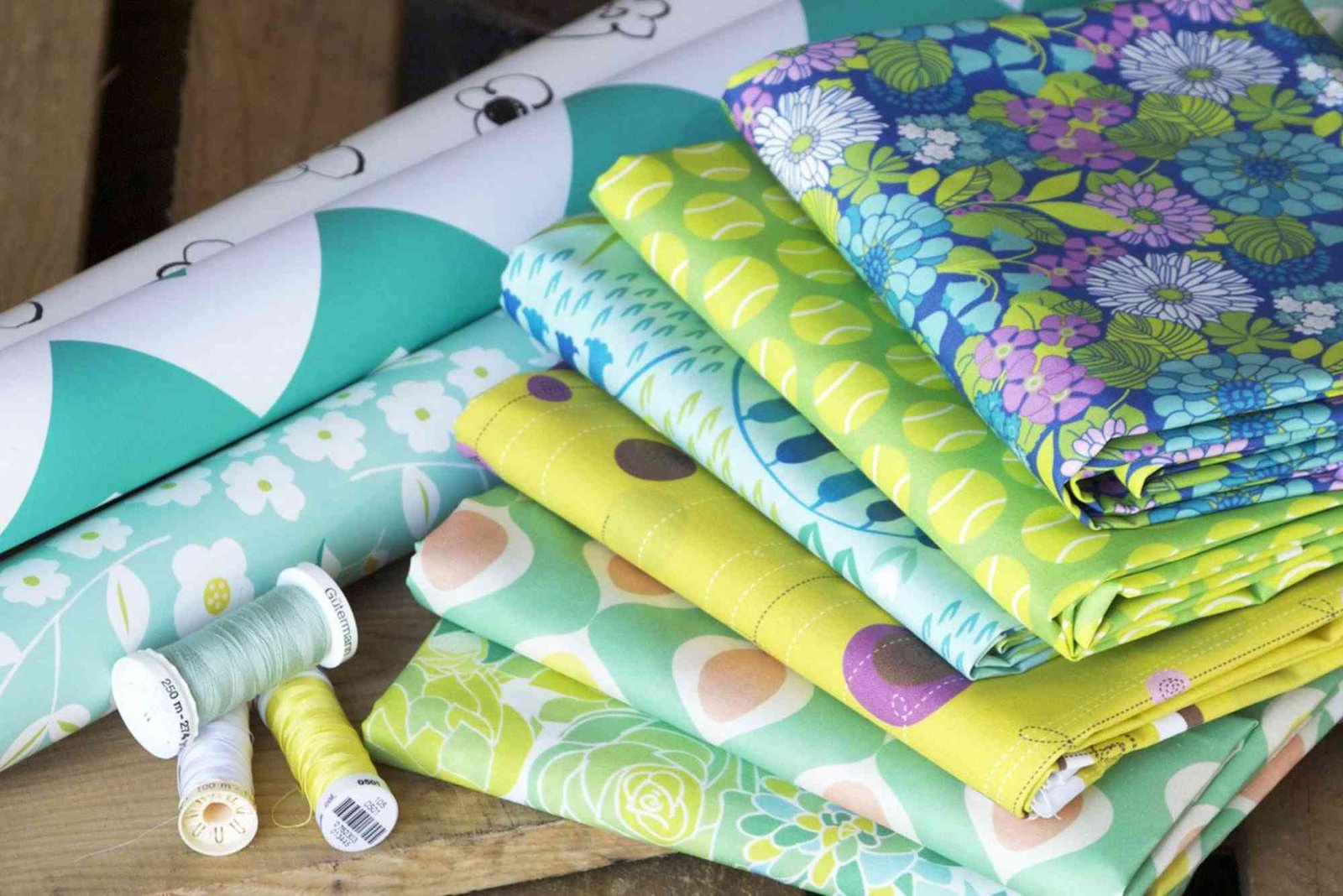
Digital fabric printing has transformed the textile industry, offering designers and hobbyists alike the freedom to create intricate patterns and vibrant colors with minimal effort. If you’ve ever wondered how to digital fabric printing works or wanted practical tips to get started, this guide is designed for you. From understanding the basics to mastering techniques that bring your designs to life, we’ll walk you through the essentials you need today.
Understanding Digital Fabric Printing
Digital fabric printing is a modern method of applying designs directly onto textiles using specialized inkjet technology. Unlike traditional methods like screen printing, digital printing allows for high-resolution images, seamless color transitions, and even small-batch production without setup costs. The process is not only efficient but also versatile, accommodating various types of fabrics such as cotton, silk, polyester, and blends.
The Technology Behind the Process
At the heart of digital fabric printing is an inkjet printer adapted to handle textile inks. These inks are formulated to bond with fabric fibers while maintaining colorfastness. The printer reads digital files and sprays tiny droplets of ink onto the fabric with precision, enabling intricate designs, gradients, and photographic prints.
Modern printers often include features like pre-treatment rollers, heat fixation units, and color management software. Pre-treatment ensures that fabrics absorb inks evenly, while heat fixation locks the colors in, preventing fading during washing. Color management ensures that your digital designs match the printed output as closely as possible, which is critical for professional-quality work.
Choosing the Right Fabric for Digital Printing
Selecting the appropriate fabric is crucial for achieving vibrant and long-lasting results. Natural fibers like cotton and silk tend to absorb inks well, producing bright colors and crisp patterns. Polyester fabrics, on the other hand, work best with sublimation inks, which transform into gas under heat to penetrate synthetic fibers.
Fabric texture also plays a role. Smooth fabrics allow for detailed designs, while textured fabrics create unique effects but may cause slight distortion in intricate patterns. Testing small samples before large-scale printing is always recommended to understand how your design interacts with the material.
Preparing Fabric for Printing
Proper preparation ensures consistent quality. Wash fabrics to remove sizing or finishes that could interfere with ink absorption. Pre-treatment solutions, often a liquid coating applied before printing, enhance ink adhesion and color vibrancy. Using a heat press or steaming the fabric before printing can also help achieve a smooth surface for detailed designs.
Designing for Digital Fabric Printing
Digital printing gives you nearly unlimited creative freedom, but the design process requires careful consideration. File resolution is paramount; low-resolution images can appear pixelated or blurry. Designers should aim for at least 300 DPI to maintain clarity.
Color profiles play a critical role in achieving the desired outcome. RGB color modes used in digital design may not always translate perfectly to CMYK inks. Using color management software or printer profiles ensures that what you see on the screen closely matches the printed result.
Incorporating Patterns and Repeats
Seamless patterns are a hallmark of successful fabric design. Digital tools allow you to create repeating patterns that flow naturally across the fabric. Experimenting with scaling, rotation, and layering can produce unique effects that elevate your textile work.
Printing Techniques and Best Practices
When it comes to actual printing, attention to detail can make a big difference. Ensure the fabric is flat and properly aligned in the printer to avoid misprints or skewed designs. Some printers require backing sheets to prevent fabric from stretching or wrinkling during the process.
Regular maintenance of your printer is essential. Clean the nozzles and rollers, replace ink cartridges promptly, and calibrate the device to maintain color accuracy. Even minor neglect can lead to streaks, uneven color, or wasted fabric.
Post-Printing Care
After printing, heat setting the fabric is critical for durability. This process ensures that colors remain vibrant and resistant to washing. Depending on the ink type, you may need to use a heat press, iron, or specialized curing unit. Once set, handle fabrics carefully, washing them according to recommended guidelines to extend the life of your designs.
Common Challenges and How to Overcome Them
Digital fabric printing is not without its challenges. Uneven ink absorption, color mismatches, or fabric stretching are common issues. To overcome these, test designs on small fabric samples, fine-tune printer settings, and ensure pre-treatment steps are consistently applied. Learning how to troubleshoot effectively saves time and resources while improving the quality of your work.
Temperature, humidity, and even the type of ink can influence the final print. Maintaining a controlled environment for printing helps achieve consistent results. Documenting your settings and outcomes for each fabric type creates a valuable reference for future projects.
Digital fabric printing opens up endless possibilities for designers and crafters alike. By understanding fabric types, mastering design principles, and following proper printing techniques, you can create stunning textiles with precision and creativity. Whether you’re a beginner experimenting with your first prints or a professional refining your craft, these practical tips can elevate your digital fabric printing projects today.
Ready to transform your ideas into vibrant textiles? Start exploring digital fabric printing now and bring your designs to life.
Internal Links: Explore more on Digital Fabric Printing, Learn How Digital Fabric, and check Digital Fabric Printing resources at www.cnet.com.
FAQ: Digital Fabric Printing
How does digital fabric printing differ from traditional printing?
Digital fabric printing uses inkjet technology to apply designs directly onto textiles, allowing high-resolution images without setup costs. Traditional methods like screen printing require screens and stencils.
What fabrics work best for digital printing?
Natural fibers like cotton and silk absorb ink well, producing vibrant colors. Polyester is ideal for sublimation printing due to its synthetic structure.
Can I print photographic images on fabric?
Yes, digital fabric printing allows for detailed photographic prints with smooth color gradients, provided the image resolution is high.
Do I need special equipment for home printing?
Home printers can work for small projects, but professional results require fabric-compatible inkjet printers, pre-treatment solutions, and heat fixation tools.
How do I maintain my printed fabric?
Heat setting is essential. Wash fabrics gently, avoid harsh detergents, and store them properly to preserve color vibrancy and longevity.