
Introduction
During the hot summer months, nothing is more frustrating than an air conditioner that suddenly stops cooling efficiently. One common issue homeowners face is AC coil freezing. Understanding how and why this happens is crucial to maintaining a comfortable indoor environment and avoiding expensive repairs.
What Is AC Coil Freezing?
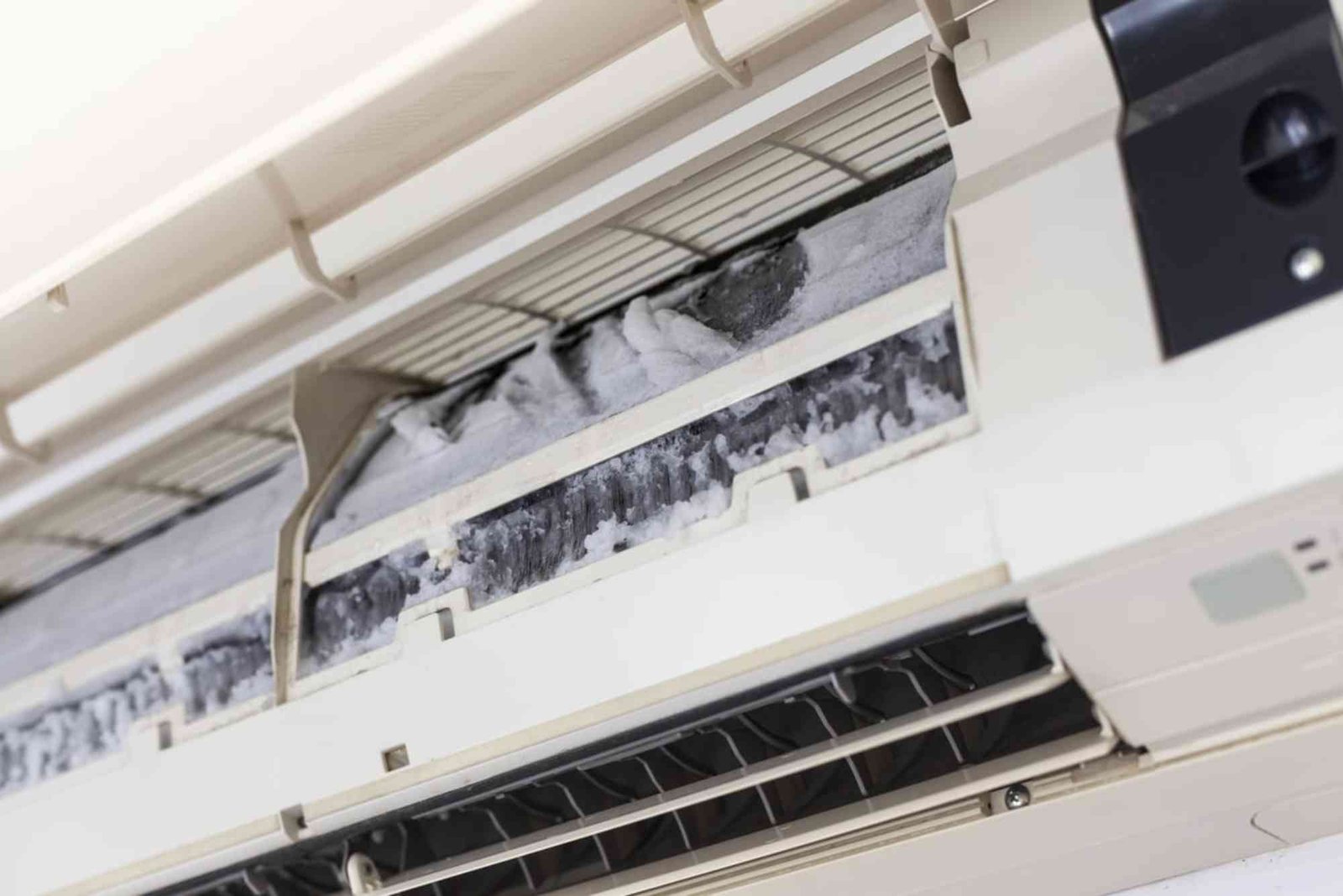
AC coil freezing occurs when the evaporator coil, the part of your air conditioner responsible for cooling the air, accumulates ice. This ice prevents the AC from cooling properly and can cause the unit to stop working altogether. Ice formation on the coil is usually a result of airflow problems, refrigerant issues, or dirty components.
Why AC Coils Freeze in Summer
Understanding why AC coils freeze in summer helps in preventing the problem. Hot weather increases the demand on your air conditioner, and certain issues that might not be noticeable in mild temperatures become critical.
Low Refrigerant Levels
Refrigerant is the lifeblood of your AC system. Low levels reduce the coil’s temperature beyond normal limits, causing the moisture in the air to freeze on the coil. This can happen due to leaks or improper installation.
Dirty Air Filters
Air filters trap dust and debris, but when they become clogged, airflow to the evaporator coil is restricted. Poor airflow allows the coil to get too cold, resulting in ice formation. Regularly changing or cleaning your filters is essential.
Blocked Air Vents
Furniture, curtains, or other obstructions near vents reduce airflow, contributing to coil freezing. Even partially blocked vents can strain your system and lead to ice buildup.
Thermostat Issues
Incorrect thermostat settings can make the AC overwork. For example, setting the temperature too low during extreme heat can cause the coil to freeze as the system tries to reach the set temperature too quickly.
Faulty Blower Fan
The blower fan circulates air over the evaporator coil. If the fan malfunctions or slows down, the coil may get too cold, leading to freezing. This can result from motor issues or dirty fan blades.
Signs Your AC Coil Is Freezing
Recognizing early warning signs can prevent severe damage to your system. Some common indicators include ice formation on the coils, reduced airflow from vents, a sudden rise in indoor humidity, and a musty or damp smell from the AC. Noticing these signs early allows you to take immediate action.
Practical Ways to Prevent AC Coil Freezing
Preventing AC coil freezing requires a combination of regular maintenance and smart usage practices.
Keep Air Filters Clean
Dirty filters are the leading cause of coil freezing. Check your AC filters at least once a month during the summer. Washable filters should be cleaned with warm water, while disposable ones should be replaced. Proper filter maintenance ensures adequate airflow and keeps the coil from overcooling.
Maintain Proper Refrigerant Levels
Regular AC servicing by a certified technician helps maintain the correct refrigerant levels. Low refrigerant not only freezes coils but also reduces cooling efficiency. Learn How Prevent Ac by scheduling timely professional inspections.
Ensure Unobstructed Airflow
Arrange furniture, curtains, and other objects to avoid blocking vents. Even small obstructions can reduce airflow and contribute to coil freezing. Regularly inspect vent openings and remove any potential blockages.
Check the Blower Fan
A healthy blower fan keeps air circulating properly. Inspect the fan periodically for dust buildup or signs of mechanical failure. A smooth, unrestricted fan prevents the evaporator coil from getting too cold.
Monitor Thermostat Settings
Set your thermostat to a reasonable temperature. Avoid extremely low settings, especially during peak heat hours. A programmable thermostat can help regulate temperature and prevent your AC from overworking.
Schedule Routine Maintenance
Professional AC maintenance is critical. A trained technician can clean coils, check refrigerant, and inspect all system components. Regular servicing ensures your system runs efficiently and reduces the risk of freezing.
DIY Tips for Temporary Fixes
If you notice your AC coil freezing, you can take temporary steps to reduce ice buildup until professional help arrives. Turn off the AC and allow the ice to melt. Use a fan to circulate air indoors, helping speed up the thawing process. Avoid using sharp objects to remove ice, as this can damage the coil. Once thawed, check for clogged filters, blocked vents, and unusual airflow issues before restarting the system.
Long-Term Solutions for Preventing AC Freezing
Upgrade to a High-Efficiency AC
Modern air conditioners come with features like variable-speed compressors and smart thermostats. These upgrades help maintain consistent airflow and temperature, significantly reducing the risk of coil freezing.
Invest in a Dehumidifier
High humidity can worsen freezing issues. Using a dehumidifier in humid climates reduces moisture in the air, which in turn prevents ice buildup on the coils.
Seal and Insulate Ductwork
Leaky or poorly insulated ducts can cause temperature imbalances. Proper sealing and insulation ensure consistent airflow and reduce stress on the evaporator coil.
Install a Smart Thermostat
Smart thermostats learn your home’s cooling patterns and adjust the temperature gradually. This prevents sudden drops that could lead to coil freezing.
Prevent AC Coil Freezing Resources
For more technical insights and a deeper understanding of AC systems, check out Prevent AC Coil Freezing resources at en.wikipedia.org. These resources explain the science behind AC operation and freezing in detail, giving homeowners and technicians valuable knowledge for maintenance and troubleshooting.
AC coil freezing in summer is a common problem, but with proper care and preventive measures, it is entirely avoidable. Regular maintenance, clean filters, proper airflow, and correct thermostat settings are key to keeping your AC running efficiently. By understanding the causes and taking proactive steps, you can enjoy uninterrupted cooling all summer long. To keep your system in top shape and avoid costly repairs, make a habit of routine inspections and timely professional servicing. If you want to Learn How Prevent AC issues effectively, follow these expert tips and act before problems escalate.
Don’t let AC coil freezing ruin your summer. Take control today by scheduling maintenance, cleaning your filters, and checking airflow. Visit Prevent Ac Coil to learn more and keep your air conditioner running at peak efficiency.
FAQs
Why does my AC freeze only in summer?
High temperatures increase cooling demand. If airflow is restricted or refrigerant is low, the coil may freeze under the strain.
Can a dirty air filter cause my AC to freeze?
Yes, clogged filters restrict airflow, making the evaporator coil too cold and causing ice buildup.
How do I safely thaw a frozen AC coil?
Turn off the system, let the ice melt naturally, and use a fan to circulate air. Never use sharp objects to chip away ice.
How often should I service my AC to prevent freezing?
Annual professional maintenance is recommended, especially before the summer season, to check refrigerant and clean coils.
Can a smart thermostat prevent AC coil freezing?
Yes, smart thermostats regulate temperature gradually, reducing stress on the coil and preventing freezing.
What should I do if my AC keeps freezing despite regular maintenance?
Persistent freezing may indicate a refrigerant leak, faulty blower fan, or system malfunction. Contact a certified technician for a thorough inspection.
Where can I find more information about AC coils and freezing?
Explore Prevent Ac Coil Freezing resources at en.wikipedia.org for in-depth technical explanations and maintenance tips.