Introduction
A dead or weak battery is one of the most common reasons your car refuses to start. Knowing how to charge a car battery can save you from being stranded, paying for roadside assistance, or replacing a perfectly good battery. Whether your battery is slightly drained or completely flat, understanding the right process is key to maintaining your vehicle’s performance and ensuring your safety.
In this detailed guide, you’ll learn practical, expert-backed methods to charge a car battery, including safety precautions, charging techniques, and tips to prolong battery life.
Understanding the Basics of a Car Battery
Before you connect the charger, it helps to know what’s under the hood. Your car battery powers the starter motor and ignition system, supplies electricity to lights and electronics, and stabilizes voltage to keep the vehicle running smoothly.
Most modern vehicles use lead-acid batteries, which can be recharged multiple times using a proper charger or alternator. Over time, however, batteries naturally lose their ability to hold charge—especially in extreme weather or when left unused for long periods.
Why You Might Need to Charge a Car Battery
Several factors can cause your battery to lose power. Sometimes, it’s as simple as leaving the lights on overnight. In other cases, it could be due to weather, age, or electrical issues. Common causes include:
- Long periods of inactivity
- Cold temperatures reducing battery efficiency
- Corroded terminals blocking current flow
- Faulty alternator or charging system
- Frequent short trips that don’t allow full recharge
If your engine struggles to start, headlights appear dim, or accessories don’t function properly, these are early warning signs that it’s time to charge your car battery.

Preparing to Charge a Car Battery
Safety comes first when dealing with electricity. Before connecting anything, take a few precautions to avoid accidents or damage to your vehicle.
Park Safely and Turn Everything Off
Always park on a flat surface, engage the handbrake, and turn off the ignition. Make sure all lights, radios, and electrical accessories are switched off to prevent sparks or shorts.
Wear Safety Gear
Battery acid can be harmful, and charging generates hydrogen gas. Use protective gloves and safety glasses, and ensure the area is well-ventilated.
Identify Battery Terminals
The positive terminal (+) is usually marked red, while the negative terminal (–) is black. Double-check these markings before connecting the charger to avoid reverse polarity, which can damage electronics.
How to Charge a Car Battery with a Charger
Using a dedicated battery charger is the safest and most effective way to restore power. Here’s how to do it correctly:
Connect the Charger Properly
Attach the red clamp to the positive terminal and the black clamp to the negative terminal. Ensure the connections are secure and the charger is unplugged while attaching.
Set the Charger Mode
Modern chargers often come with multiple settings, including slow (trickle) or fast charge. A slow charge is ideal as it’s gentler on the battery and helps ensure a full, deep charge.
Plug In and Monitor
Once connected, plug in the charger. Many models feature automatic shut-off when the battery reaches full capacity. Keep an eye on the indicator lights or gauge throughout the process.
Disconnect Safely
After charging, unplug the charger first, then remove the clamps in reverse order—black negative first, then red positive. Avoid letting the clamps touch each other or any metal surface.
How to Charge a Car Battery Without a Charger
If you don’t have a charger handy, don’t panic—there are alternative ways to charge a car battery.
Jump-Starting the Car
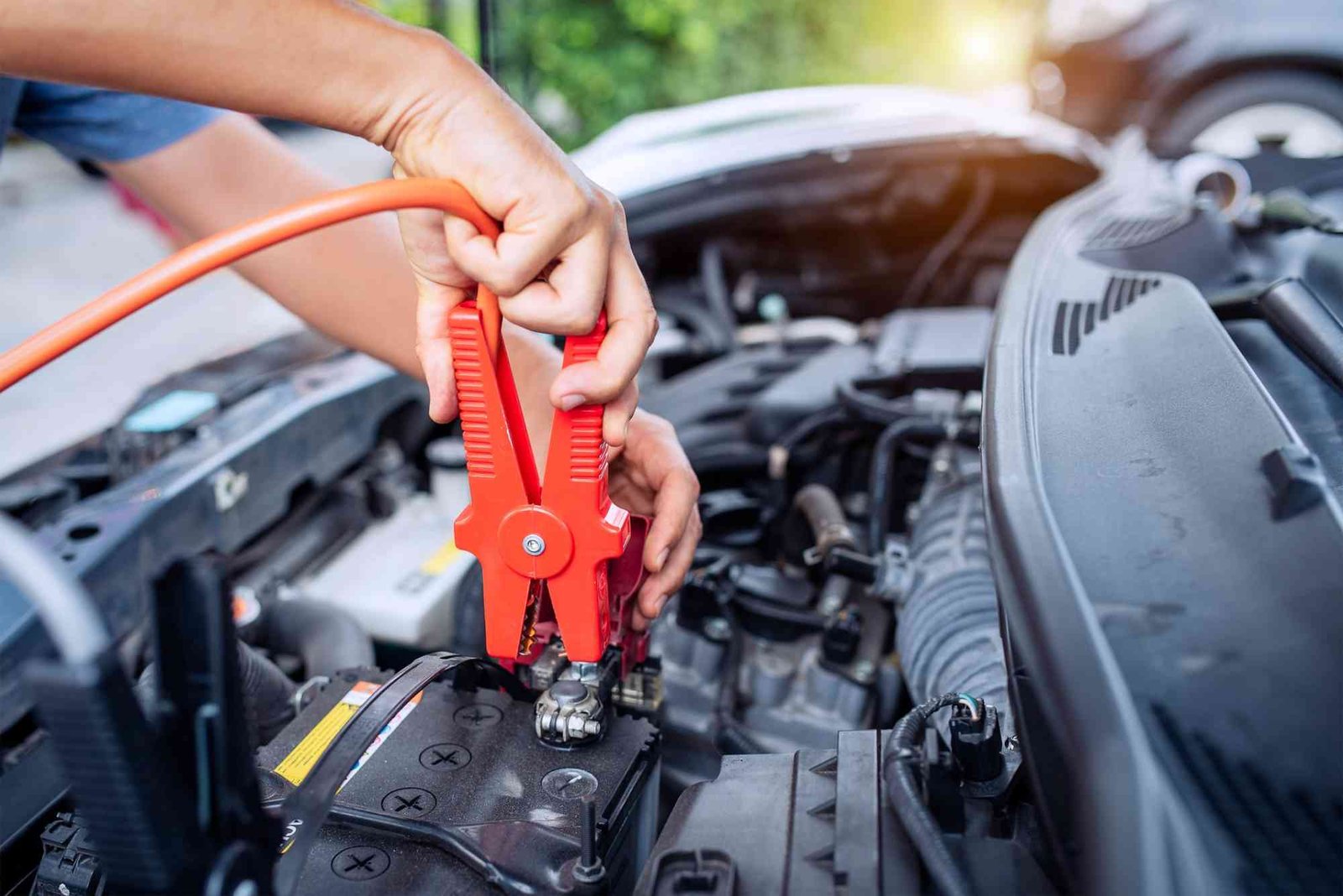
Using jumper cables and another running vehicle is the most common method. Connect the batteries correctly, start the working car, and let it run for several minutes. Once your car starts, drive for at least 20–30 minutes to allow the alternator to recharge the battery.
Using a Portable Jump Starter
Portable jump starters are compact devices that work without another car. They’re easy to use and can be stored in your trunk for emergencies. Simply connect the clamps, power it on, and start your engine.
For detailed visual instructions and further tips, you can check out trusted Charge A Car Battery resources at www.caranddriver.com.
How Long Does It Take to Charge a Car Battery?
The charging time depends on several factors—battery capacity, level of discharge, and the charger’s amperage output.
A typical 12-volt battery using a 4-amp charger may take 10 to 24 hours for a full charge. Using a fast charger can reduce this to 3–5 hours, but frequent use of fast charging can shorten the battery’s lifespan.
For best results, opt for a slow charge overnight whenever possible.
Signs Your Battery Is Fully Charged
Knowing when your battery is ready prevents overcharging. Here are the common indicators:
- The charger’s display shows “FULL” or green light.
- Voltage reading (using a multimeter) is around 12.6–12.8 volts.
- The engine starts easily without hesitation.
If your battery still struggles to hold a charge after proper charging, it may be time for a professional test or replacement.
Tips to Maintain Your Car Battery Health
Proper maintenance goes a long way in preventing premature battery failure.
- Start your car regularly, even if you don’t drive daily.
- Clean terminals to prevent corrosion.
- Avoid leaving electrical components on when the engine is off.
- Check battery fluid (for non-sealed types) and top up with distilled water.
- Store your vehicle in moderate temperatures.
Learning these habits ensures your battery stays in peak condition longer, reducing the need for frequent recharging.
Common Mistakes to Avoid When Charging a Car Battery
Even experienced drivers can make errors that damage their battery or charger. Avoid these pitfalls:
- Reversing clamps: Always double-check polarity before connecting.
- Overcharging: Leaving the charger connected too long can overheat the battery.
- Using damaged cables: Replace worn or frayed cables immediately.
- Charging a frozen battery: Thaw it out first; charging a frozen battery can cause it to explode.
Following these guidelines ensures your charging process remains safe and effective every time.
FAQs
How long should I drive to recharge my car battery?
Driving for at least 30 minutes allows the alternator to recharge your battery sufficiently after a jump start.
Can I charge a completely dead car battery?
Yes, but it may take longer. Use a smart charger that can detect and slowly revive deeply discharged batteries.
Is it safe to leave a battery charger on overnight?
If it’s a modern smart charger with auto shut-off, yes. Older chargers should be monitored closely.
Why does my car battery keep dying after charging?
You might have a parasitic drain, faulty alternator, or a battery nearing the end of its life. Have it tested by a mechanic.
Should I disconnect the battery before charging?
It’s safer to disconnect it, especially if you’re using a high-output charger. This prevents potential damage to your vehicle’s electronics.
Sometimes, charging won’t solve the issue. If your battery is over three years old, repeatedly goes flat, or shows swelling or leakage, replacement is the better option. Regular testing can help you catch early signs of failure before you’re stranded.
Knowing how to charge a car battery isn’t just about saving money—it’s about gaining confidence as a driver. Whether you use a charger, a jump starter, or another vehicle, following the right steps ensures safety and reliability every time you turn the key.
If you’re eager to learn more or want detailed visuals and expert recommendations, explore Charge A Car or Learn How Charge A for hands-on insights and practical tools.