Introduction
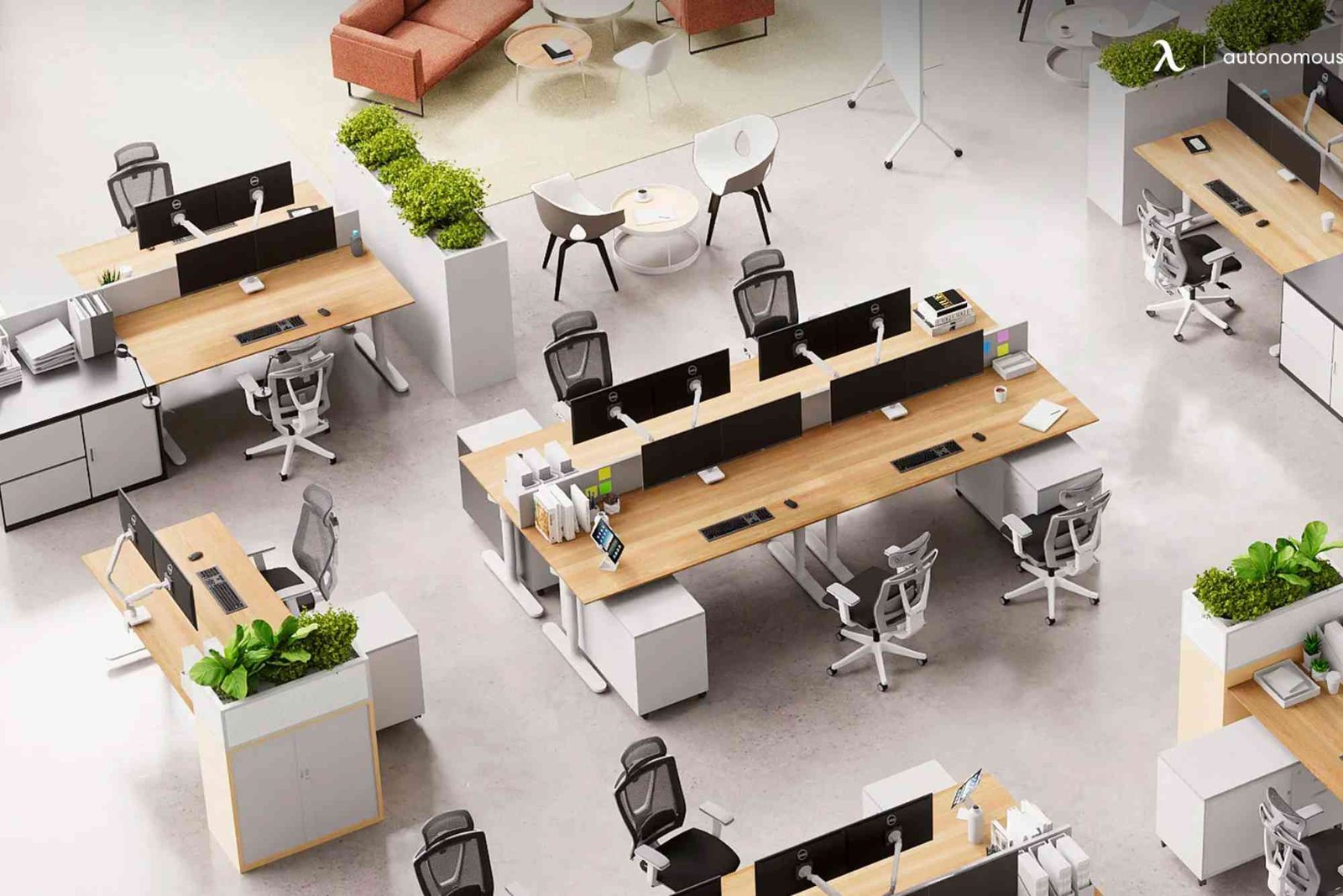
Creating efficient workspaces in corporate offices is more than arranging desks and chairs — it’s about designing environments that enhance focus, productivity, and well-being. A well-thought-out workspace can improve employee morale, reduce stress, and increase overall efficiency. However, many organizations still make avoidable mistakes that lead to wasted resources and unproductive work cultures. In this comprehensive guide, we’ll explore the most common office design mistakes, their consequences, and practical fixes for each one. Whether you’re setting up a new corporate space or optimizing an existing one, these insights will help you create a work environment that truly supports performance and satisfaction.
Why Creating Efficient Workspaces Matters
Modern employees spend nearly one-third of their lives at work. A cluttered or poorly designed workspace not only reduces focus but can also impact physical health, motivation, and collaboration. Studies show that well-designed office environments can increase productivity by up to 20%. Creating efficient workspaces in corporate offices also helps attract and retain top talent, as employees increasingly value comfort, flexibility, and design that aligns with their professional and personal needs. By focusing on layout, lighting, technology, and ergonomics, you can transform any ordinary office into a high-performance environment.
Common Mistakes When Designing Corporate Workspaces
Many corporate offices make similar errors when designing or renovating their spaces. These mistakes often stem from outdated assumptions about how people work best or from prioritizing aesthetics over function. Understanding these common pitfalls is the first step toward creating an efficient and inspiring workplace.
Ignoring Employee Needs and Work Styles
One of the biggest mistakes in corporate workspace design is neglecting to consider how employees actually use the space. Not every worker thrives in an open office. Some roles require quiet, focused areas, while others benefit from collaborative zones. When companies ignore these differences, they create frustration and inefficiency.
Quick Fix: Conduct surveys or interviews to understand how employees work. Create a mix of open and private spaces, including breakout rooms, phone booths, and collaborative areas. This flexibility allows employees to choose environments that best suit their tasks.
Poor Lighting Choices
Lighting is often underestimated, yet it dramatically affects mood and performance. Harsh fluorescent lights can cause headaches, while dim lighting leads to eye strain and fatigue. Poor lighting design makes even a beautiful office feel uncomfortable.

Quick Fix: Maximize natural light wherever possible by keeping windows clear and using glass partitions. Use LED lighting with adjustable brightness to create a balanced, inviting atmosphere. Task lighting at desks can further reduce strain and improve comfort.
Overlooking Ergonomics
Ergonomics plays a crucial role in workplace health and efficiency. Uncomfortable chairs, incorrect desk heights, or poorly placed monitors can lead to back pain, fatigue, and decreased focus.
Quick Fix: Invest in ergonomic furniture, such as adjustable chairs and desks. Train employees on proper posture and workspace setup. Providing footrests, monitor risers, or keyboard trays can make a big difference in long-term comfort and productivity.
Cluttered Layouts and Poor Space Management
A cluttered or overcrowded workspace creates stress and distracts employees. It also limits movement and collaboration. When space is not used efficiently, the office feels cramped, reducing both morale and productivity.
Quick Fix: Simplify your layout by prioritizing flow and accessibility. Keep pathways clear and use storage solutions like modular cabinets or vertical shelving. Minimalism in office design can enhance focus and make spaces feel larger and more organized.
Lack of Collaborative Zones
Many offices underestimate the importance of collaborative areas. Teams that have nowhere to meet informally or brainstorm creatively can struggle with communication and innovation.
Quick Fix: Designate areas for group discussions, brainstorming, or casual meetings. Use flexible furniture and writable walls to encourage creativity. These zones should be inviting but not distracting for others nearby.
Ignoring Technology Integration
In the digital age, technology should seamlessly support work processes. However, many corporate offices still deal with poor Wi-Fi coverage, limited charging stations, or outdated devices that slow down productivity.
Quick Fix: Upgrade your IT infrastructure and ensure strong wireless connectivity throughout the office. Add smart meeting rooms with video conferencing capabilities and accessible power outlets. Technology should simplify work, not complicate it.
Neglecting Break Areas and Relaxation Spaces
Employees need breaks to recharge mentally and physically. Without comfortable spaces to relax, stress levels rise, creativity drops, and burnout becomes more likely.
Quick Fix: Create inviting break areas with comfortable seating, natural light, and refreshments. Adding greenery, games, or soft music can promote relaxation and encourage positive social interactions among staff.
Failing to Promote Cleanliness and Organization
A messy office gives an impression of chaos and lack of control. It also affects employee concentration and increases the risk of misplaced documents or tools.
Quick Fix: Implement a clear desk policy and provide ample storage solutions. Encourage regular decluttering sessions and use digital document management to minimize paper waste.
Ignoring Acoustics and Noise Levels
Open offices can become excessively noisy, making it hard for employees to concentrate. Noise pollution is one of the top complaints in corporate workspaces and can reduce productivity significantly.
Quick Fix: Use acoustic panels, carpets, and sound-absorbing materials to control noise. Provide quiet zones or noise-canceling booths for focused tasks. Headphones and white noise machines can also help reduce distractions.
Strategies for Creating Efficient Corporate Workspaces
Once you’ve addressed the common mistakes, focus on optimizing your office environment for efficiency, comfort, and growth.
Prioritize Flexibility and Adaptability
Workplace needs evolve over time. A flexible design allows you to rearrange layouts easily and adapt to changes in team size or workflow. Modular furniture, movable partitions, and multipurpose spaces can future-proof your office.
Incorporate Biophilic Design
Bringing nature into the workplace improves air quality and mental well-being. Plants, natural light, and materials like wood or stone create a calming environment that boosts creativity and focus.
Foster a Culture of Ownership
Employees take better care of their workspaces when they feel ownership. Encourage teams to personalize their desks or common areas. This creates a sense of belonging and strengthens morale.
Invest in Wellness-Focused Design
From ergonomic furniture to air purifiers and proper ventilation, wellness-focused design helps employees stay healthy and productive. Standing desks, meditation areas, or access to outdoor spaces can reduce stress and improve engagement.
Use Data and Analytics for Space Optimization
Many companies now use sensors or software to monitor workspace usage. Data-driven insights reveal which areas are underused or overcrowded, allowing you to optimize layouts accordingly.
For more expert advice, explore these Creating Efficient Workspaces Tips to learn practical ways to transform your office environment for maximum impact.
The Role of Leadership in Creating Efficient Workspaces
Leaders play a vital role in maintaining an efficient workplace. Beyond the design, leadership influences culture, communication, and engagement. When management encourages open feedback, continuous improvement, and flexibility, employees feel valued and motivated to contribute their best. Regularly evaluating workspace performance and inviting employee input ensures the environment evolves with their needs.
Leadership should also champion sustainability and inclusivity in workspace design. Using eco-friendly materials, energy-efficient systems, and accessibility-friendly layouts sends a strong message about corporate responsibility and care for employees.
The Psychological Impact of Workspace Design
Office environments deeply influence behavior, motivation, and mental health. A poorly lit or cramped office can lead to fatigue and frustration, while bright, open spaces with natural light inspire positivity and creativity. Color psychology also matters — for instance, blue promotes calmness, green supports balance, and yellow encourages creativity. Integrating these elements can significantly affect how employees feel and perform.
Emotional Connection to Workspaces
When employees feel emotionally connected to their workspace, they’re more productive and loyal. Personalized spaces, artwork, and comfort features create this bond. Even small gestures, such as comfortable lounge areas or inspiring décor, can make employees look forward to coming to work.
Quick Fix Checklist for Efficient Workspaces
Here’s a short summary of practical fixes to get started right away:
-
Listen to employee feedback before making design changes.
-
Maximize natural light and improve air quality.
-
Invest in ergonomic furniture and adjustable desks.
-
Create flexible collaboration zones and private focus areas.
-
Integrate reliable, modern technology throughout the office.
-
Maintain cleanliness and organization daily.
-
Use plants, calming colors, and artwork for visual balance.
You can also Learn How Creating Efficient Guide offers step-by-step insights for businesses seeking to redesign their corporate offices effectively.
Creating Efficient Workspaces Corporate Office requires a balance of design, functionality, and empathy. Every detail — from lighting and furniture to layout and culture — contributes to how employees feel and perform. Avoiding the common mistakes discussed here and applying quick, actionable fixes can transform your workplace into a thriving, productive environment. When people feel supported by their surroundings, their creativity and efficiency naturally flourish.
To explore more strategies and real-world insights, check out this Related read on ninetubes.com about Creating Efficient Workspaces Corporate and start building a workspace that inspires excellence and well-being.
FAQs
1. What makes a corporate workspace efficient?
An efficient workspace supports productivity, comfort, and collaboration. It balances technology, design, and ergonomics while adapting to various work styles.
2. How can I improve workspace efficiency without renovating?
Simple fixes include decluttering, improving lighting, adding plants, and rearranging desks for better flow. Ergonomic accessories can also make a big difference.
3. What are the biggest workspace design mistakes?
Common mistakes include ignoring employee needs, poor lighting, cluttered layouts, and inadequate technology integration.
4. Why is lighting important in an office?
Proper lighting reduces eye strain and fatigue while boosting energy and mood. Natural light also enhances focus and satisfaction.
5. How does workspace design impact employee morale?
A thoughtful design fosters positivity, engagement, and a sense of belonging. When employees feel comfortable, they perform better and collaborate more effectively.